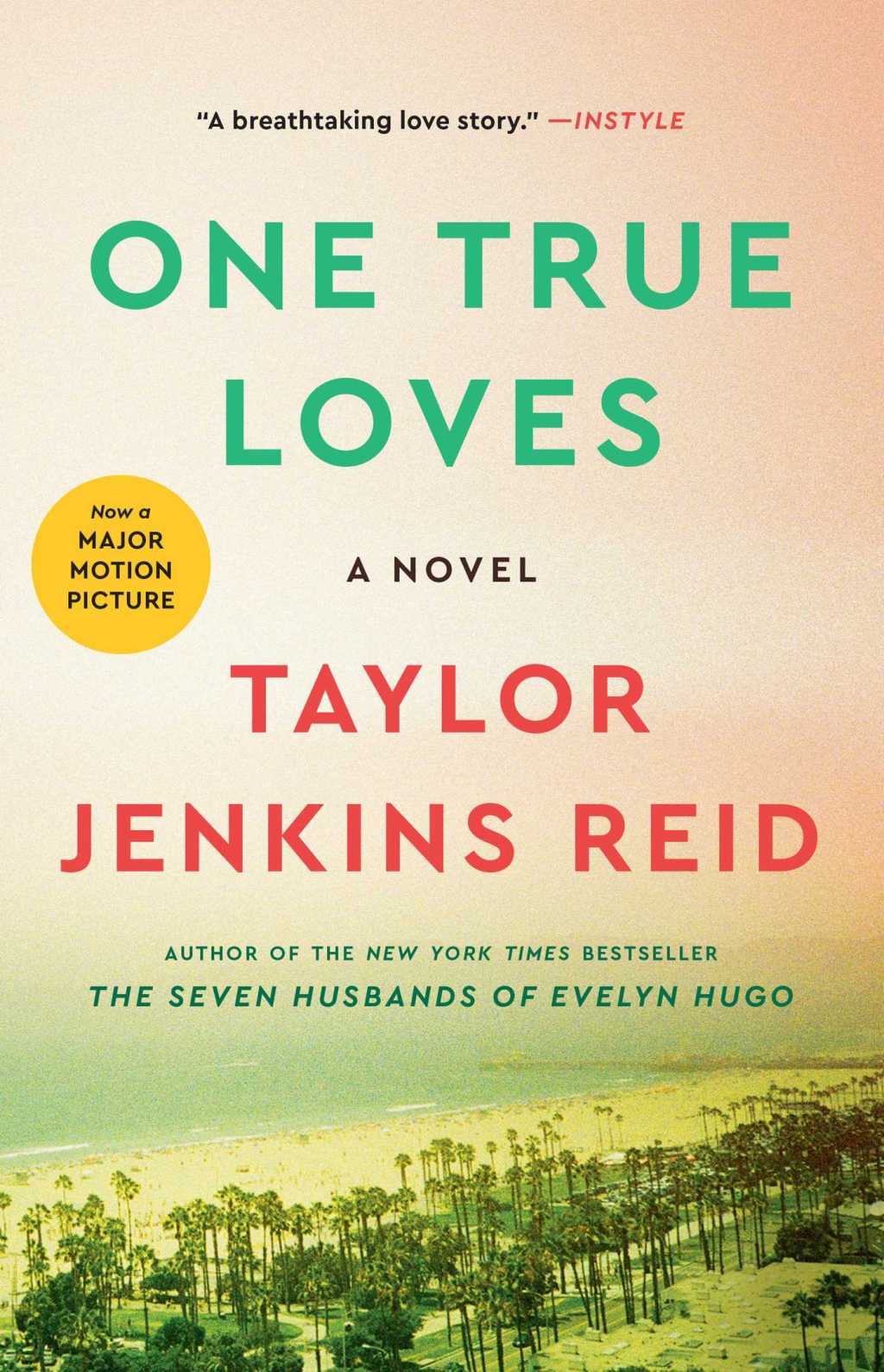
This book sat with me in an unexpected way. I anticipated romance, heartbreak, resolution. What I didn’t expect was how gently it confronted the idea that love can be real — deeply, sincerely real — and still no longer fit the person you’ve become.
Reading it felt like standing in the space between loyalty and survival. Between honoring what was and acknowledging what can no longer be carried forward without harm. The story doesn’t rush that tension or simplify it. It allows grief to exist alongside growth, without insisting one must cancel the other out.
What stayed with me was how often we confuse staying with devotion. How easily we equate change with betrayal. This book quietly dismantled that idea, not by arguing against it, but by showing the cost of clinging to a past that no longer aligns with the present.
When it ended, I found myself thinking about how many versions of ourselves we’re allowed to love — and how many we feel obligated to remain loyal to long after they stop serving us. It made me question the narratives we tell about endurance, about promises, about what it means to be faithful to a story that no longer reflects the truth of who we are.
This wasn’t a book about choosing between two people.
It was a book about choosing whether to keep living inside an ending.

 When the Book Closes
Leave a comment