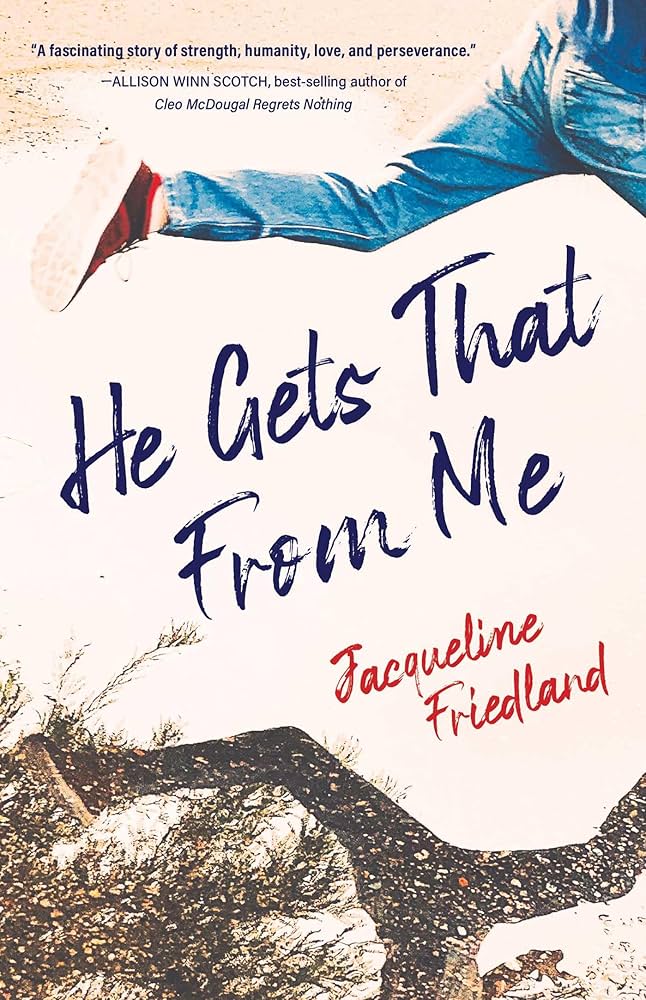
This book was heavy in a way that didn’t announce itself. It didn’t rely on spectacle or shock. Instead, it moved slowly, deliberately, through the uncomfortable terrain of inheritance — what we’re given without consent, and what we’re still responsible for reckoning with.
Reading it felt like standing at the intersection of empathy and accountability. The book refuses to let either exist without the other. It doesn’t allow harm to be dismissed as inevitable, nor does it pretend love erases consequence.
What stayed with me was the quiet horror of recognition — the realization that patterns don’t repeat because people are cruel, but because they are unexamined. That damage is often passed down not through intent, but through avoidance. Through silence. Through the belief that acknowledging something will make it worse, when in reality, ignoring it allows it to harden.
When the book closed, I was left thinking about the courage it takes to look honestly at what shaped you — without romanticizing it, without disowning it, and without pretending it doesn’t still live somewhere inside you. This book didn’t offer redemption. It offered responsibility. And that felt more honest.


Leave a Reply