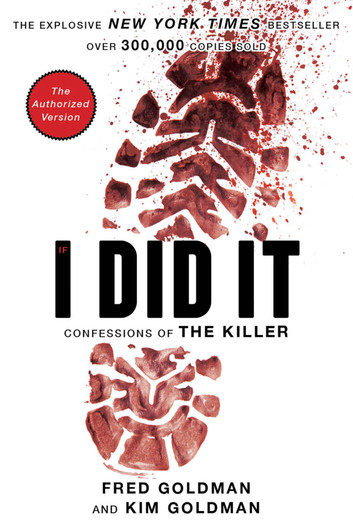
I didn’t read this book to understand what happened.
I read it to understand what happens after — after harm, after denial, after a story has already been decided by the person with the loudest voice.
And reading it felt like standing in a room where the truth was present but unwelcome.
What unsettled me wasn’t the hypothetical framing or the audacity of the premise. It was the confidence with which reality was treated as negotiable. The way language was bent just enough to create distance — not denial, not confession, but something more corrosive. A performance of control disguised as explanation.
I’ve lived long enough to recognize that tone.
There is a particular way people speak when they are more invested in maintaining power than in acknowledging damage. It’s not always loud. Sometimes it’s measured. Calm. Almost reasonable. And that’s what makes it dangerous — the way certainty can be manufactured while responsibility quietly disappears.
As I read, I kept noticing how easy it is for harm to be reframed when the person doing the talking is allowed to set the terms. How quickly doubt shifts away from the act itself and settles instead on the people who were affected. How pain becomes something to be debated rather than honored.
The book doesn’t ask the reader to believe anything outright — it invites us to hover in ambiguity. And that invitation felt familiar in a way I didn’t expect. Because ambiguity is often where accountability goes to hide.
What stayed with me most wasn’t anger, though there was some of that. It was exhaustion. The deep, bone-level tiredness that comes from watching truth be treated as optional. From realizing how often the burden of clarity is placed on those who were already harmed, while those responsible remain curiously unencumbered.
When the book closed, I found myself thinking about how many times I’ve watched certainty be mistaken for honesty. How often confidence is rewarded even when it contradicts reality. How survival sometimes requires learning to trust your own knowing when everything around you is insisting you shouldn’t.
This book didn’t give me insight into guilt or innocence. It gave me insight into narrative control — into how easily a story can be reshaped when empathy is absent and power is protected. It reminded me that truth doesn’t always arrive cleanly, but it does leave a residue. A discomfort. A sense that something is wrong even when it’s being explained away.
I closed this book feeling steadier in one quiet conviction:
That clarity is not the same as volume.
That truth doesn’t need to dominate the room to be real.
And that refusing to participate in distortion — even silently — is its own form of resistance.
This wasn’t a book I absorbed.
It was one I endured.
And sometimes, endurance is the point.


Leave a Reply